Marginalized and vulnerable women and girls, Refugees and their host communities (RHC); Persons with Disabilities (PWDs); Ghetto youth and street children (GYSC) and Prisoners living with HIV and AID and general population of young people.
The organization since inauguration employs young people centered approach to projects implementation that is bottom-up and holistic, focusing on skills development; social economic empowerment, use of ICT as well as systematic change in policy and practice towards a more supportive environment for youth-led development. We deliver grassroots programmes through peer champions’ mechanisms. The organization also creates a network of young leaders, supporting them to progress in their careers and be champions of youth-led development. We also support governments and policymakers to engage young people in the decisions that affect them. In addition, we build the capacity of other organisations to work more effectively with and for young people. We also conduct operational research, and generate evidence to share our experience with the global youth sector to ensure we are serving youth in the most coordinated and impactful way possible.
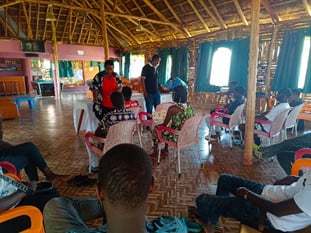
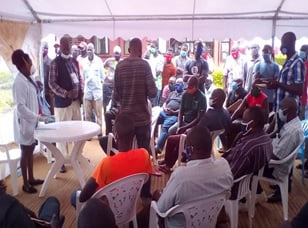
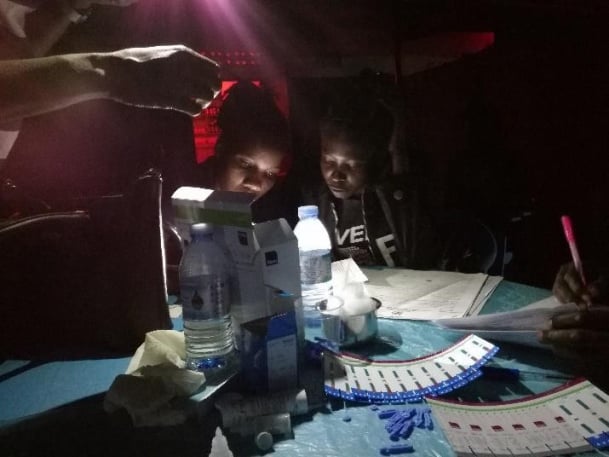
Peer educators continue to play a leading role in increasing access to HIV prevention services among key and priority populations. this approach was significant, during community outreaches for targeted mobilization, Peer led HIVST, commodity distribution and escorted referral. The same approach is used at the CDIC to support service during day and night. Linkages and referral and supporting their peers in for adherence and timely access drugs and other HIV prevention services in the implementation districts. There this approach should be reproduced elsewhere in other districts for increased uptake of services among Key populations and priority populations.
For complete linkages of the clients identified, Adrivuyo Uganda used a number of approaches during outreaches to ensure complete linkages and referral. Some of the approaches used were; Escorted referral; upon identification of new positive in outreaches stand by transport was supported to link the clients with facilities. Attachment of peer, to client found positive was another strategy that yielded success in complete referral client found positive were linked with peer educators of their choice for continued counseling and drug adherence.
Adrivuyo Uganda has continued to use sexual network strategy to reach out to key and priority populations in the target districts of Oyam and Amolatar. This approach used peer and health workers were trained and guided on use of SNS strategy. The Target Group Social networks (Friends, connections, or relatives) of HIV positive clients and high-risk HIV negative individuals. Each health facility was designated with KP/PP focal person for SNS coordination. This approach was instrumental in identifying new positives among FSWs and NDUs and their clients and should be amplified among key populations to increase access and utilization of HTS services among Key and priority populations at community and facility levels.
This approach was used among mobile population especially sex workers and other hidden populations like drug user’s community. This approach involved use of “self-contained community peer health worker/ mobile peer Bag” to provide ongoing mobile HTS among key populations through hot spot programing and use of sexual networks. This was done and piloted in Kamudini health worker lead by peers at the CDIC. This approach has proved results and in the next scope of work Adrivuyo Uganda will continue to support this approach for service delivery among key populations especially hidden Key populations.
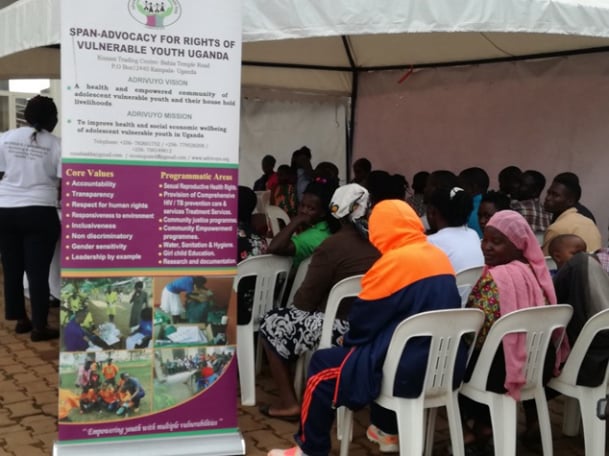
Targeted outreaches were key to the success and utilization key and priority services among targeted communities. The facility staff were encouraged to use data at facility to inform their outreach work plans, TX_NEW as the basis for outreaches through hot spot programing. Key services provided ranged from; HIV testing, condom/lubricants education and distribution, STIs screening and treatment, TB screening and treatment, provision of SGBV services, peer education among other services in the KP/PP HIV cascade. This approach has encouraged access and utilization of HTS among key and priory populations in the target districts and in the next quarter we shall continue to use this strategy to increase access and utilization of HIV prevention services for key and priority populations.
Adrivuyo Uganda, continued use of standard MoH tools, Weekly data review meetings conduct DQAs, mentorship and support supervision, Data audits, display data on the notice boards, Existence of the registers (Suppressing registers). This approach has improved capacity on reporting and data capture for KP/PP at facilities in the selected districts.


SPAN- Advocacy for Rights of Vulnerable Youth Uganda, is an (NGO)- registration number (INDP12465988NB) established in 2015.
© Copyright 2025 ADRIVUYO Uganda - All Rights Reserved